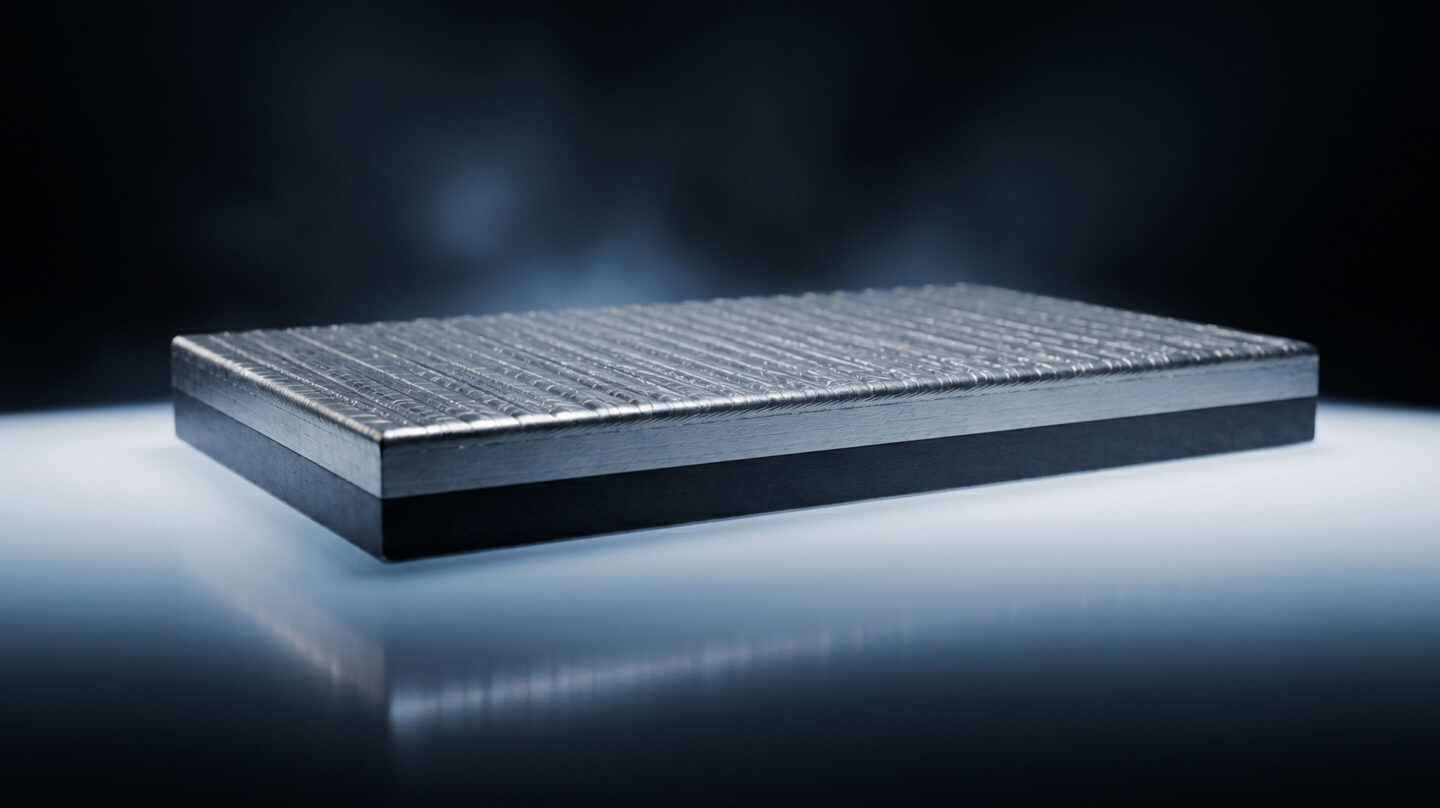
Bimetallic wear
overlay plates WFM

Equipment that lasts 3–5× longer.
Engineered for your wear conditions
with a pilot batch before full commitment

Built to outlast
standard solutions
What it is

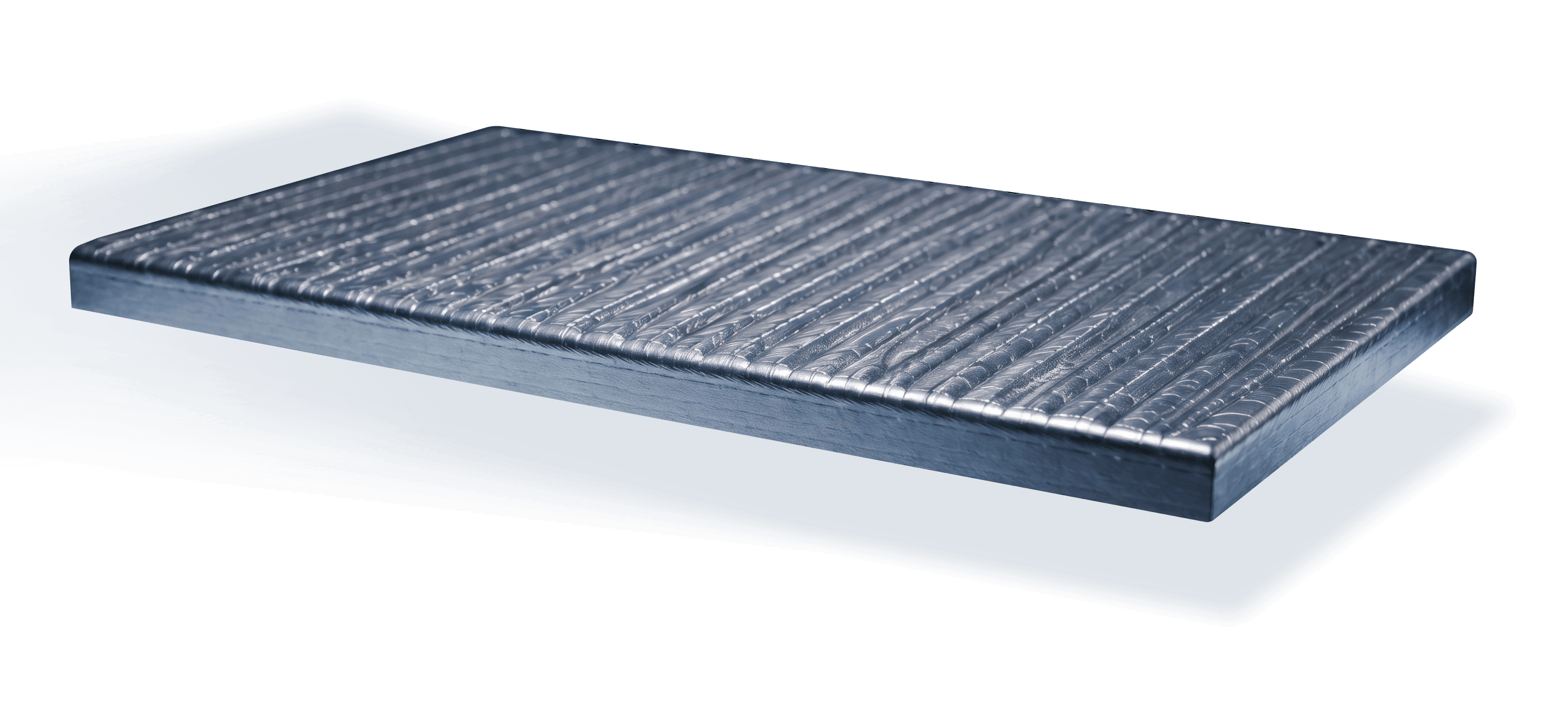
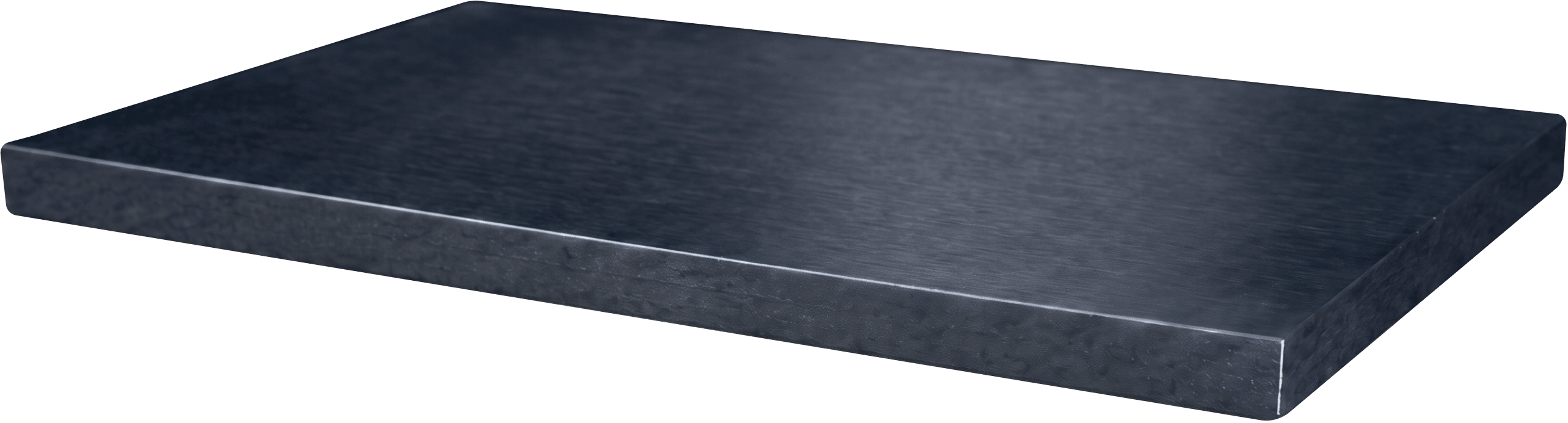
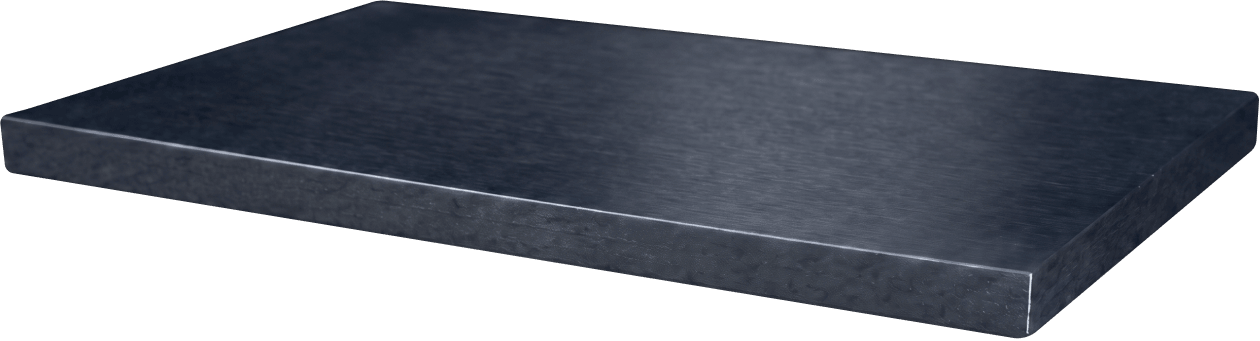
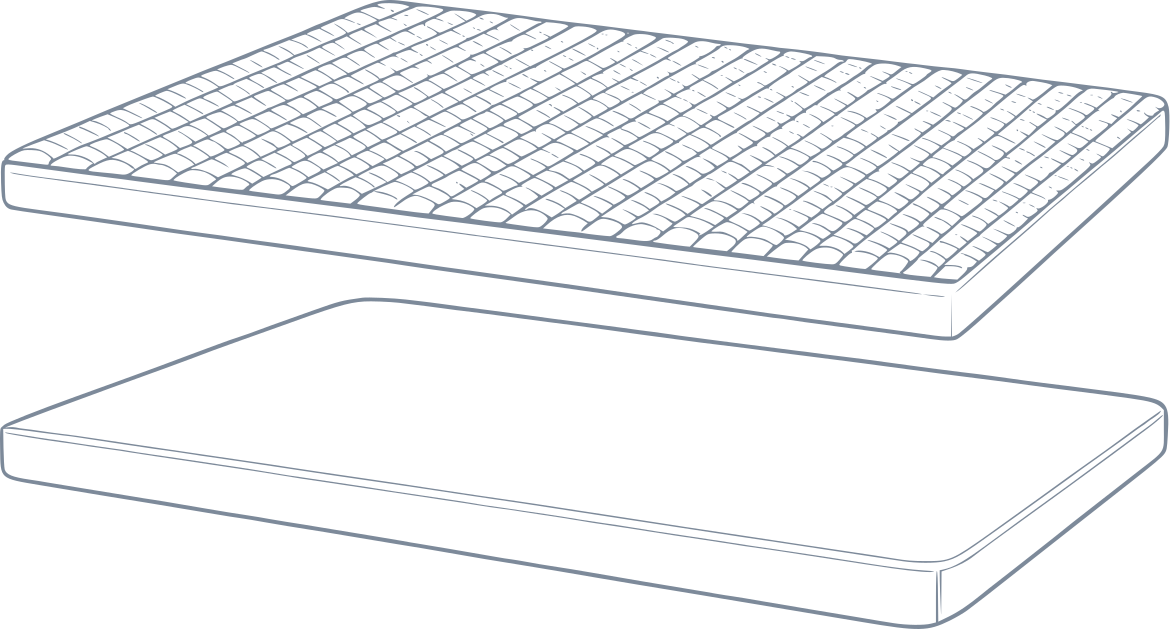
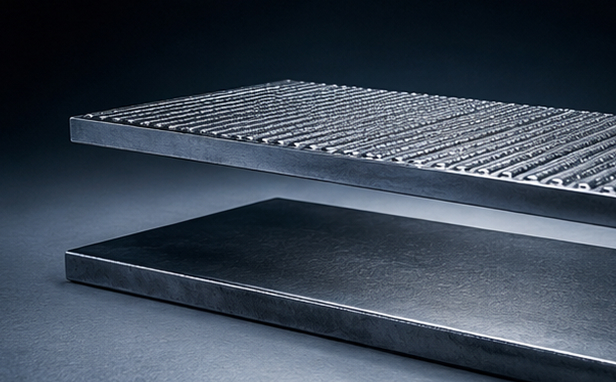
Two layer chromium carbide
overlay plate. Hard
cladding on top, structural
steel base underneath.
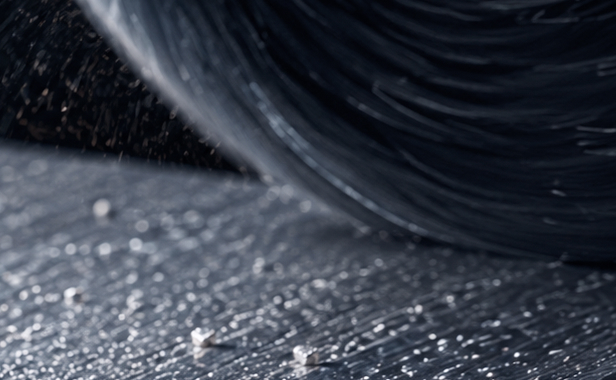
What it does

The wear layer takes the full load
— abrasion, erosion, high
temperatures. The base stays
intact. Equipment keeps running.
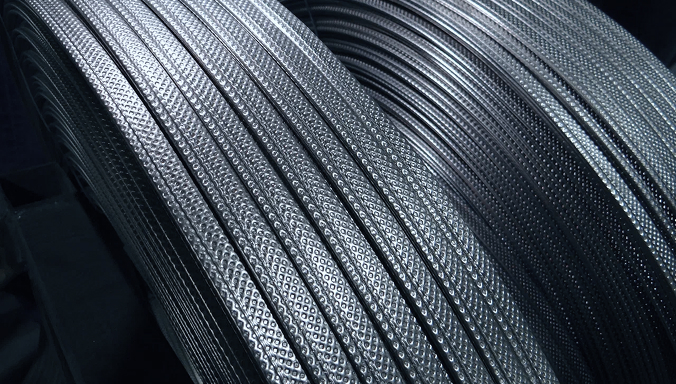
How it's made

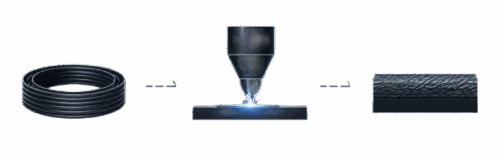
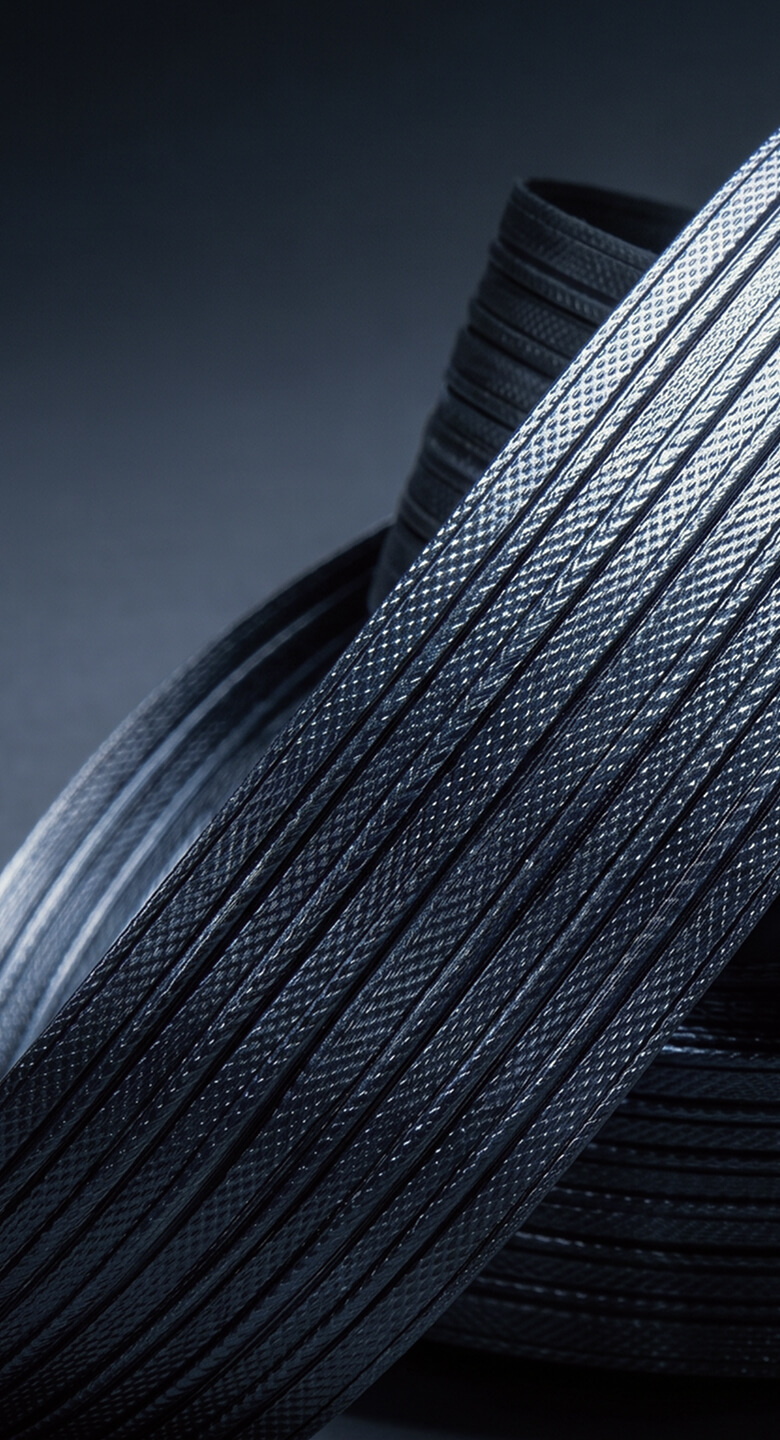
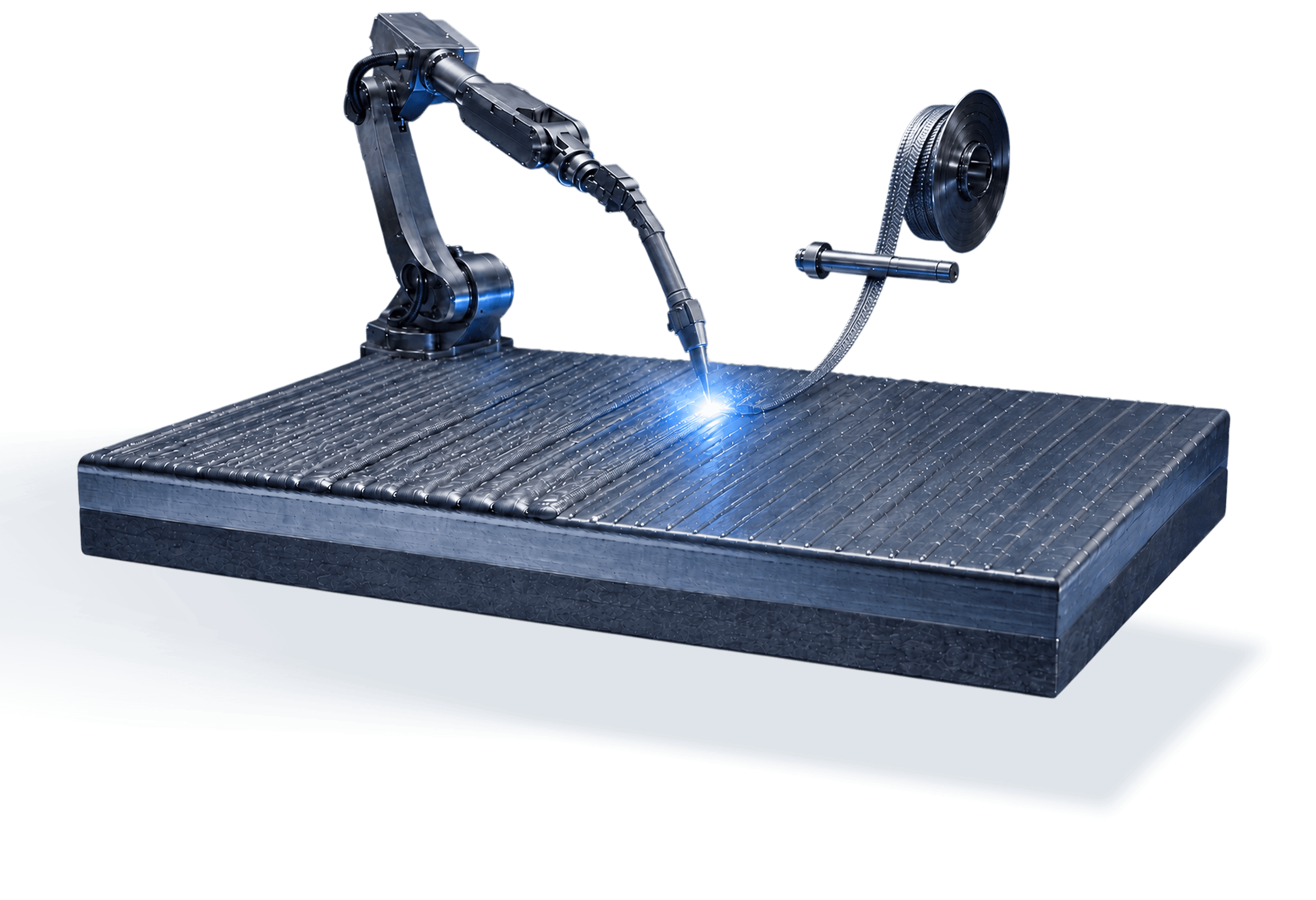
Flux-cored strip hardfacing —
our own production. Higher
carbide concentration than
wire-based solutions.
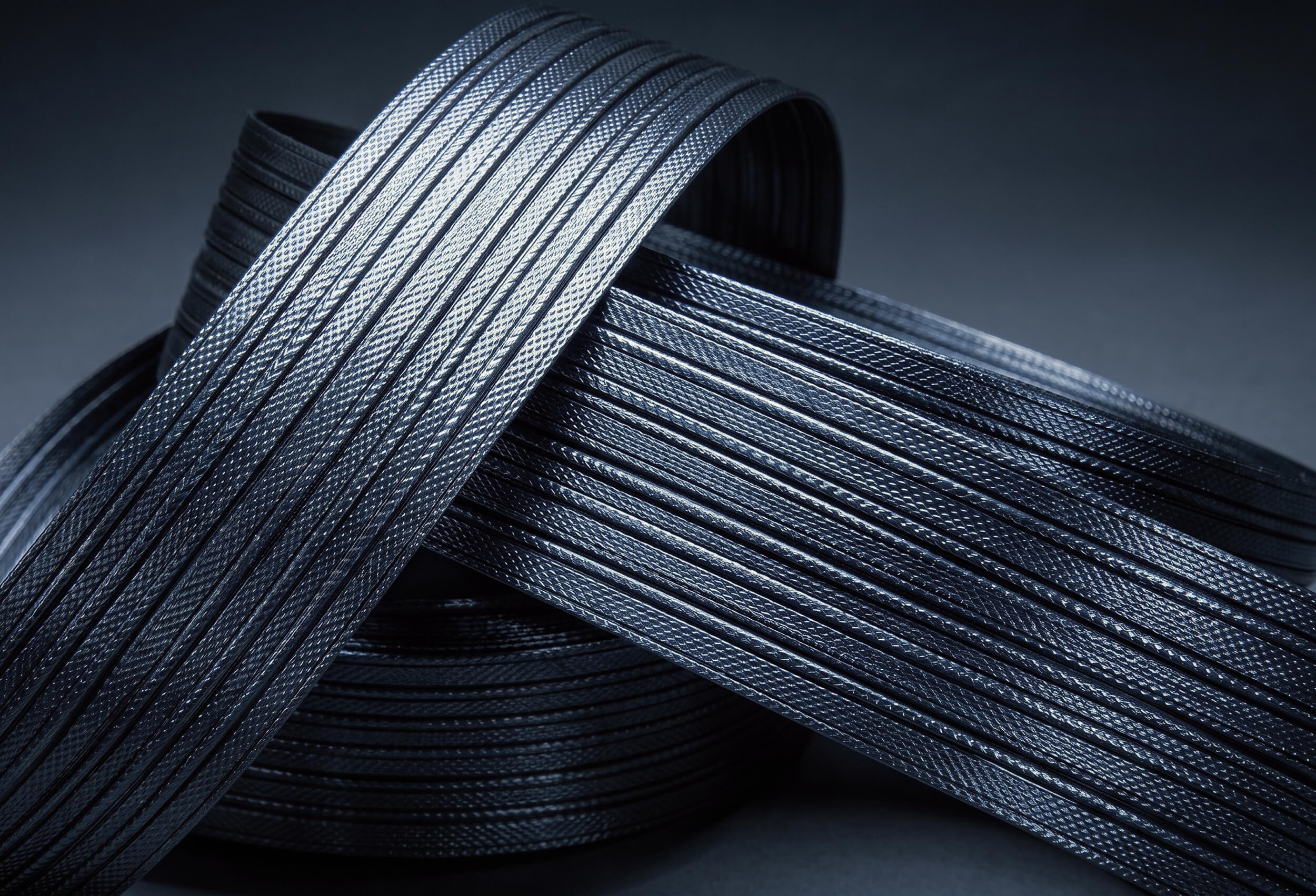
What you get
  • 3–5× longer service life
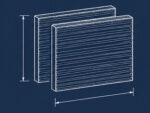
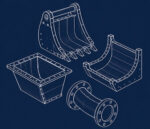
  • Custom geometry, made to your drawing
  • Six grades for every wear condition
  • Quality controlled at every production stage
Wire-based
30–35% fill ratio
Lower carbide density
Unstable, inconsistent layer
More cracks, weak zones
Standard hardness potential
WFM Ribbon
55–62% fill ratio
Higher carbide density
Stable, repeatable layer
Up to 60–100% fewer cracks
Higher hardness potential

WFM Ribbon technology
vs conventional
wire-based hardfacing
Up to 100% fewer cracks. 3–5× longer service life.
Each layer is engineered for a specific
role. Wear happens in a controlled way
without destroying the base material.
Takes on
all the wear
High-carbide alloy protects against
abrasive, erosive and thermal wear.
Wear happens in the top layer the
base remains untouched.
Fill rate
55–62% vs. 30–35% with
wire-based alternatives
55–65 HRC
Up to 755°C

Wear-resistant
hardfaced layer
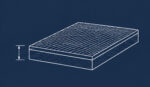
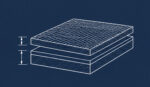
3–16 mm

Up to 100% fewer cracks. 3–5× longer service life.

Each layer is engineered for a specific
role. Wear happens in a controlled way
without destroying the base material.
Holds shape
under load
Low-carbon or heat-resistant steel absorbs mechanical stress and maintains structural integrity keeping the component in shape under impact and material weight.

Structural
steel base
5–25 mm

Up to 100% fewer cracks. 3–5× longer service life.

Each layer is engineered for a specific
role. Wear happens in a controlled way
without destroying the base material.

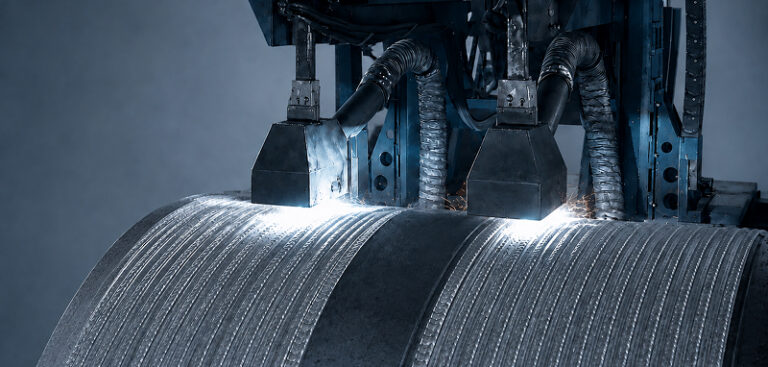
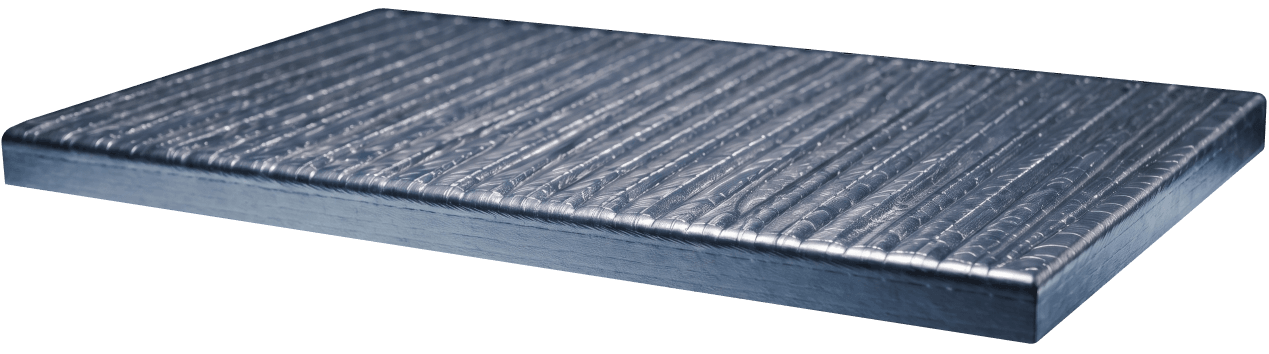
Hardfacing on a cylindrical
surface, before levelling
Higher
fill rate
Right alloy from
the first layer
Stable internal
structure
Up to 100% fewer
cracks, 3–5×
longer life

Most producers clad with flux-cored
wire with a fill rate of 30–35%,
which is not enough to build the
right alloy structure. We use our
own flux-cored strip at 55–62%,
nearly twice the density.

55–62%

Fill rate
vs 30–35% with
wire-based
solutions
Up to
60–100%
fewer cracks
The layer is levelled
into a flat plate to minimise
cracking during forming
Denser,
more uniform
structure
Cylindrical cladding with levelling
produces a more consistent layer
across the full surface
No weak
zones
Stable properties across the
entire plate — no areas with
reduced wear resistance

The right
grade for
every wear
condition
Universal
Up to 250°C
Optimal balance of wear
resistance and versatility

Designed for high-wear applications with moderate impact loads. WFM 214 delivers reliable performance across the widest range of industrial tasks — the go-to solution where conditions vary or are difficult to predict.
WFM 214
Wear type
Abrasive + impact
Best for
General industry
Abrasive wear
Up to 550°C
Maximum resistance to abrasive and gas-abrasive wear.

Engineered for extreme abrasive and erosive conditions where standard plates fall short. Highest hardness in the product line — built for intensive particle impact and continuous material flow.
WFM 178
Wear type
Abrasive + erosive
Best for
Highest hardness in line
High temperatures
Up to 750°C
Stable performance
under extreme heat

Built for hot zones and high-temperature processes. Maintains mechanical properties and wear resistance at temperatures up to 755°C — where both heat and abrasion are present simultaneously.
WFM 179
Wear type
Thermal + abrasive
Best for
Hot zones
Impact loads
Up to 200°C
Reliable operation under intensive wear and impact

A well-rounded solution for demanding conditions involving continuous wear and standard impact loads. Consistent, predictable performance across a broad range of equipment — where durability and stability matter most.
WFM 101
Wear type
Abrasive + impact
Best for
Heavy equipment
Abrasive wear
Up to 400°C
Superior resistance under high loads and abrasive conditions

Developed for equipment operating under sustained heavy loads with aggressive abrasive wear. The preferred choice for high-throughput machinery where downtime is costly and plate longevity is critical.
WFM 180
Wear type
Heavy abrasive
Best for
High-throughput
Aggressive environments
Up to 450°C
Engineered for aggressive media and combined wear.

A specialised Ni-Cr alloy plate for environments where standard materials fail — corrosive media, chemical exposure, combined abrasive and thermal wear. WFM 111 performs where conditions are most unforgiving.
WFM 111
Alloy
Ni-Cr
Best for
Corrosive / chemical

Wear overlay plate
selection guide

Grade
Wear type
Wearfacing system
Hardness (HRC)
Max. temperature
Main alloying elements
Application Industries
WFM 214
Universal
Chromium
carbide alloy
58–62
Up to 250°C
Cr, C, Mn
Mining · Cement · Metallurgy · Construction materials · Port logistics · Road construction
WFM 178
Abrasive wear
Complex chromium carbide alloy
60–65
Up to 550°C
Cr, Nb, B, Si
Cement · Mining ·
Metallurgy · Power
generation · Port logistics
WFM 179
High temperatures
High-temperature complex
carbide alloy
55–58
Up to 750°C
Cr, Nb, Mo, W, V
Cement · Power
generation · Metallurgy ·
Road construction
WFM 101
Impact loads
Impact-resistant chromium
carbide alloy
50–56
Up to 200°C
Cr, Ni, Si, Mn
Underground mining ·
Construction materials ·
Recycling · Port logistics
WFM 180
Heavy duty
High chromium carbide alloy
58–62
Up to 400°C
Cr, Mo, Si
Mining · Cement · Metallurgy · Power generation · Construction materials
WFM 111
Aggressive environments
Nickel-based chromium
carbide alloy
50–56
Up to 450°C
Cr, Ni, Si, Mn, Zr, B
Metallurgy · Recycling · Power generation · Underground mining · Chemical processes

Get a quote
for your
application

Tell us about your application, and we’ll recommend the right solution and prepare a tailored quote.

We respond within one business day.
If needed, we will follow up to request drawings or clarify the details.